

How To Clean Brick With Pressure Washer
Pressure Washer Maintenance and Tips
We talked to a few power washer fanatics and several manufacturers to learn the best tips for using and maintaining a pressure washer. And we learned how to avoid the most common mistakes DIYers make.
1 / 10
 Family Handyman
Make Your Pressure Washer Pump Last Longer With a Pump Protector Product
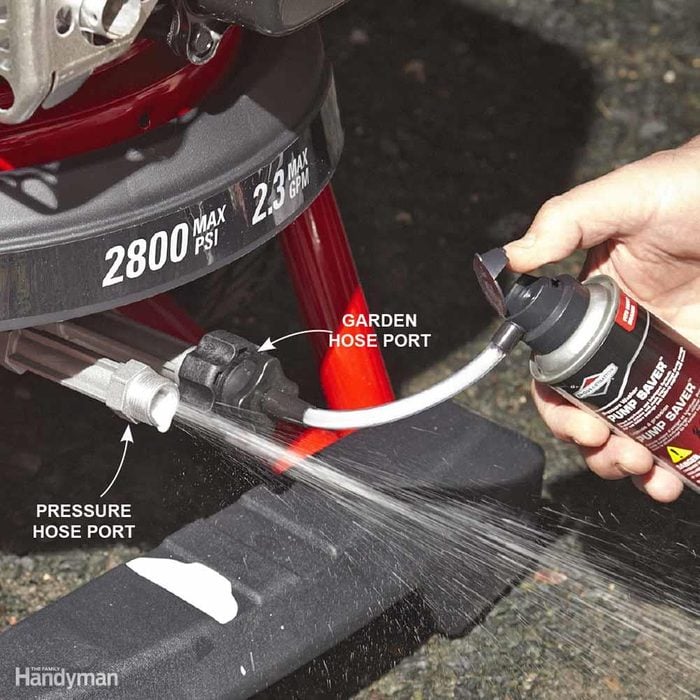
Leaving water in the pump can result in mineral buildup and corrosion, which wear out the pump seals and pistons (a $200 repair). So it pays to flush the pump after every use—a quick job. Pick up a can of pump lube/ antifreeze solution (such as Briggs & Stratton 6151 Pressure Washer Pump Saver; $10 at home centers). Screw the garden hose adapter onto the pump inlet and press the trigger until you see foamy liquid shoot out the other port. That means the pump is fully lubed and protected against freeze damage. Flush after every use: Attach the lubricant can to the garden hose port. Press the trigger for about two seconds, until water and lube shoot out the other port.
2 / 10
 Family Handyman
Prep a Pressure Washer Engine for Storage
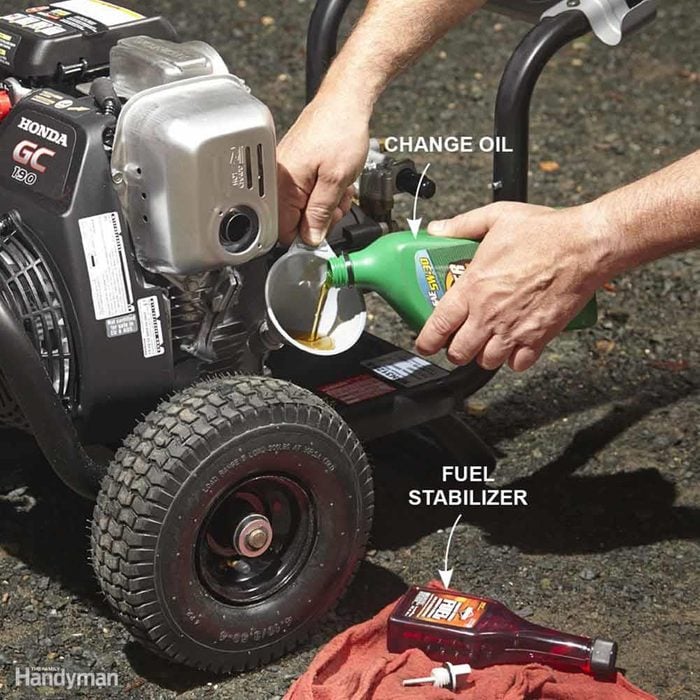
The small engines on residential pressure washers have a limited life span (sometimes less than 200 hours). But you can extend the life of the engine by following these simple pre-storage tips. (Be sure to follow these tips before storing your lawn mower for winter, too.) Even if you have only a few hours' use on the crankcase oil, drain the oil and refill with fresh oil (follow the manufacturer's recommendation for viscosity and type). Then run the engine for a few minutes to coat all the internal parts with clean oil and fresh anti-corrosion additives. This will provide the best protection during storage, and you'll be ready to go at the start of the next season. Whether you run the engine dry or fill the tank to the brim, always run the engine with fresh gas treated with fresh fuel stabilizer first. Run the engine for a few minutes so the treated gas fills the carburetor. Then drain the tank and run it dry. Or fill the tank to the brim. Also, be sure to flush out the pump before putting it away for the winter. If you leave the pump full of water and you live in a freezing climate, your pump will be ruined. Check out these tips for additional small engine maintenance and repair tips.
3 / 10
 Family Handyman
Improve a Pressure Washer with a Hose Extension
Most residential pressure washers come with a 25-ft. hose. That means you have to lug the machine up stairs to wash your deck or constantly shut down the engine so you can move the machine as you work. Solve this problem with a 50-ft. extension hose and leave the pressure washer in one spot. (One of the best pressure washer hoses you can buy is this 50-ft. extension hose and a hose-to-hose coupler, No. ND10040P from Northern Tool or any home center.) The extra hose will cause a slight pressure and volume drop, but you'll still have enough power to clean most surfaces.
4 / 10
 Family Handyman
Lube Pressure Washer Hose Connectors
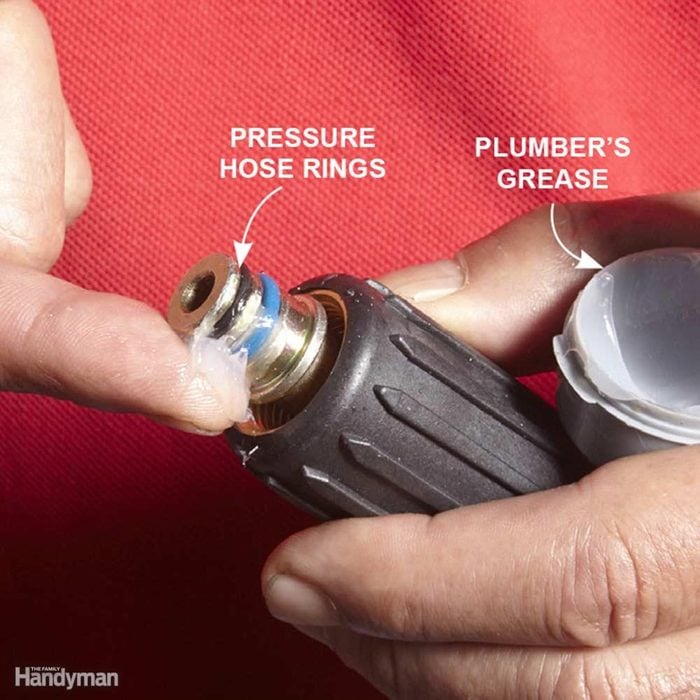
Dry O-rings in a pressure washer hose connector can twist slightly and tear as you make the connection, causing them to fail. Since regular oil washes off when it gets wet, buy a small container of silicone plumber's grease instead. It doesn't wash off and it's compatible with all types of O-ring materials. Tape the container to your machine so you'll always have it handy. Then apply a new coating every five uses or anytime the O-rings look dry.
5 / 10
 Family Handyman
Use Only Cleaning Fluids Designed for Pressure Washers
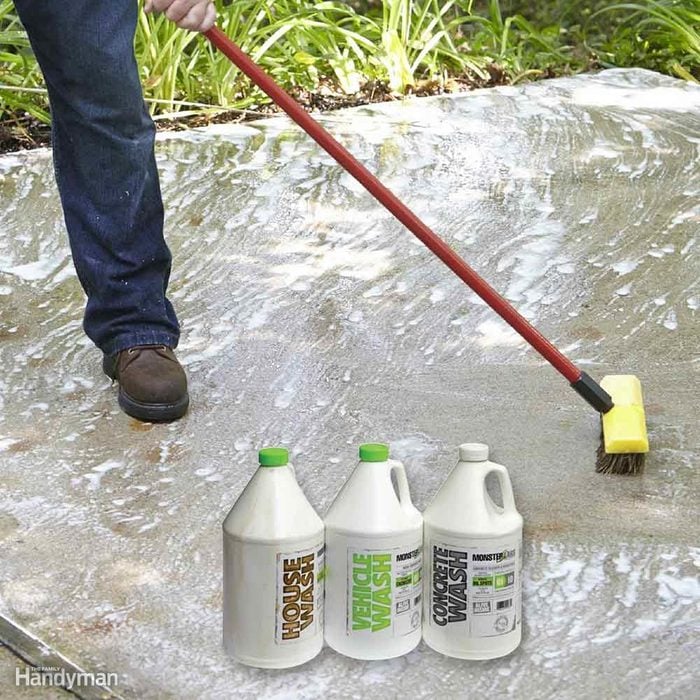
Pressure washer soap dispensers are designed for dedicated pressure washer fluids only. General-purpose degreasers, heavy-duty cleaning liquids, bleach and acids can destroy the pump. Even if the soap is rated for pressure washer use, make sure it's the right soap for the job—the soaps aren't interchangeable. Vehicle wash soap, for example, won't clean concrete, and the chemicals in concrete soap can discolor alloy wheels and bright metal trim pieces if used to wash your car or truck. For the best results, let the soap set for the recommended time and scrub heavily soiled surfaces with a brush before you rinse.
Finally, never leave soap in the dispenser when you store the machine—it can dry into crystals and cause pump damage. Flush the soap dispenser after each use and pull the gun trigger to run clear water through the pump before you shut it down.
6 / 10
 Family Handyman
Use the Right Pressure Washer Nozzle for the Job
Pressure Washer nozzle tips are color coded to denote their spray pattern. A zero-degree nozzle provides the most power for really stubborn stains. But that force can etch concrete and brick, blast holes in wood siding, break windows and even rip trim off your car. So test the area first and back the tip away from the surface if you notice any etching or damage. The soap nozzle (which is black) has a large opening to allow maximum water flow through the pump. The high water flow is needed to siphon soap out of the dispenser nozzle. The soaping function won't work with any other nozzle.
- Red 0: A zero-degree nozzle produces a pencil-point spray with no fan. Use it to blast mud or debris off surfaces from a distance or remove weeds from cracks in concrete.
- Yellow 15: A 15-degree nozzle produces a slight fan pattern. Hold the nozzle at a 45-degree angle to use it like a scraper when you're removing peeling paint or dislodging other coatings.
- Green 25:: A 25-degree nozzle produces a wider fan pattern that's perfect for removing dirt and grime. This nozzle can also be used as a water broom to sweep debris off a driveway.
- White 40: A 40-degree nozzle produces the widest fan pattern. Use it to wash delicate surfaces like deck boards, glass and vehicle exteriors.
7 / 10
 Family Handyman
Pull the Pressure Washer Trigger First
Before you yank the starter rope, pull the gun trigger (or have someone else do it). This will relieve pump pressure and lower engine resistance, making it easier to start (gasoline pressure washers only).
8 / 10
 Family Handyman
Protect the Area Before You Pressure Wash Peeling Paint
9 / 10
 Family Handyman
Pressure Washer Safety
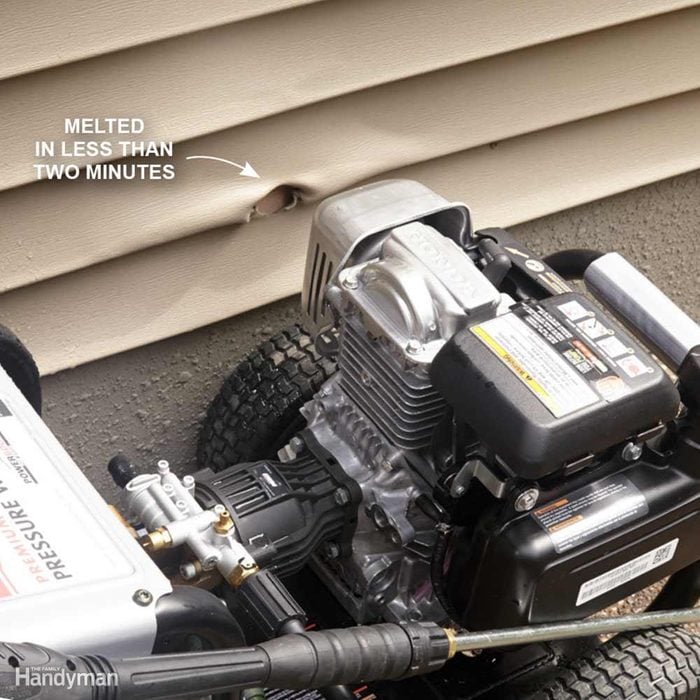
Don't park the pressure washer unit too close to structures. Hot exhaust can melt vinyl siding and start fires. This damage was caused in less than two minutes.
Never run a gas-powered pressure washer in the garage while you clean the garage floor. Move it well away from the house (at least 5 ft.) to prevent carbon monoxide poisoning.
Never use a strong spray to remove caulk around windows. The stream can force water behind siding, causing extensive water damage.
Originally Published: April 07, 2015
Sign up for DIY projects sent right to your inbox
Complete DIY projects like a pro! Sign up for our newsletter!

Subscribe & SAVE 1 Year Subscription
for only $10!
How To Clean Brick With Pressure Washer
Source: https://www.familyhandyman.com/list/pressure-washer-maintenance-and-tips/
Posted by: eisenhauerbript1952.blogspot.com
0 Response to "How To Clean Brick With Pressure Washer"
Post a Comment